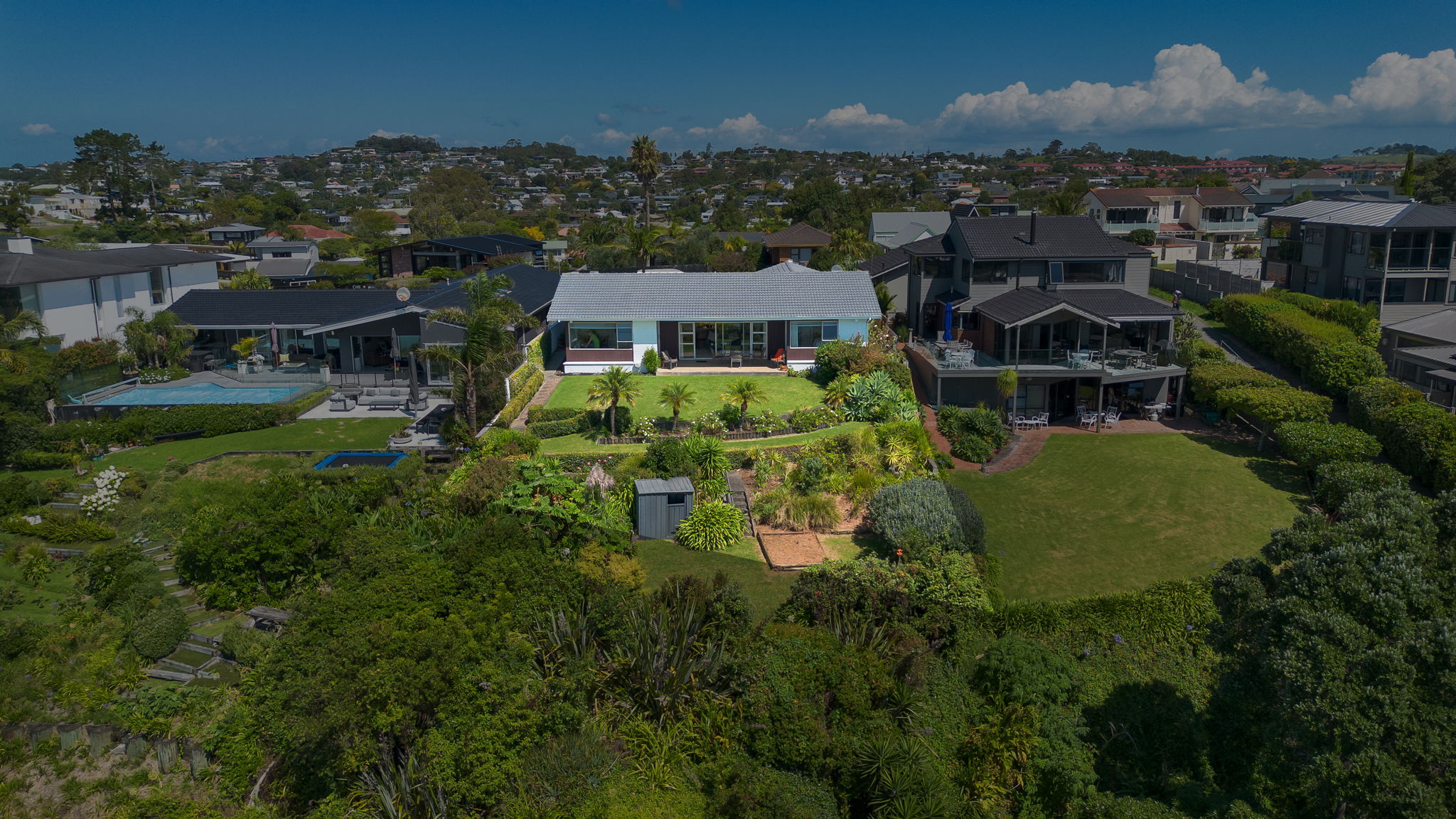
CAA Part 101 Drone Rules for Real Estate
Most agents do not need to know how to fly a drone. They do need to know that the person flying one over their listing is doing it legally, because the agency name is on the campaign either way.
Drone photography in New Zealand is regulated by the Civil Aviation Authority. For standard commercial real estate work, the rules that apply sit under Part 101. You do not have to memorise the regulation, but a working understanding helps you brief a shoot properly, answer a vendor's questions, and spot an operator who is cutting corners.
Here is what the Part 101 framework means in plain terms, what it covers in an Auckland context, and why compliance is worth caring about.
What Part 101 actually is
Part 101 is the Civil Aviation rule that covers most unmanned aircraft and drone operations in New Zealand. It sets the baseline conditions a pilot has to meet to fly without needing individual certification for each flight.
In broad terms, a Part 101 operation has to stay within certain limits: the drone is kept within visual line of sight, flown below a set altitude, kept away from people and property that have not given consent, and kept clear of airspace where it shouldn't be. Operators flying outside those limits — at night, beyond line of sight, or closer to people than the rule allows — generally need additional authorisation or certification under Part 102.
For ordinary real estate photography, a well-run Part 101 operation covers what a listing needs. The job of the operator is to keep the flight inside those limits, and to know when a particular property pushes against them.
Where you can and can't fly in Auckland
Auckland is one of the more complicated places in the country to fly a drone, because so much of the urban area sits near controlled airspace.
A few things commonly affect whether a property can be flown:
Controlled airspace around the airport. Large parts of South and Central Auckland fall under airspace linked to Auckland Airport. Flying there often needs air traffic control clearance before the flight, not after.
Aerodromes and heliports. There are restrictions on flying within a set distance of aerodromes, including smaller airfields and hospital helipads.
Restricted and special-use areas. Some zones are off-limits or have conditions attached.
Altitude limits. Standard operations are capped at a set height above ground level unless a higher limit is specifically authorised.
People and property below. A drone shouldn't be flown over people, or over property, without the consent of those affected.
This is why a responsible operator checks airspace for every shoot location before confirming the booking. At Bash & Co we check restrictions through Airshare and log flights where required. If a property sits inside controlled airspace or close to an airport, extra clearance may be needed, and we sort that before the day rather than discovering it on site.
If clearance cannot be obtained, the correct answer is not to fly. That is the part inexperienced operators get wrong.
Consent and privacy: the part agents forget
The rules are not only about airspace. They are also about the people on the ground.
Under the standard operating conditions, a drone shouldn't be flown over people or over private property without the consent of the people and property owners affected. For a real estate shoot that usually means the vendor, but it can also extend to neighbours whose property the drone would pass over or photograph closely.
Privacy matters too. The Privacy Act applies to images that capture identifiable people, and neighbours generally do not expect a close aerial photo of their backyard appearing in someone else's listing. A careful operator frames aerial shots around the property being sold, avoids lingering over neighbouring homes, and is mindful of what ends up in the final images.
For agents, the practical takeaway is simple. Make sure your vendor knows aerial photography is part of the shoot, and book an operator who understands consent and privacy rather than someone who treats every flight as a free-for-all.
Why a compliant operator protects you
It is tempting to see drone rules as the photographer's problem. In practice, the listing and the agency are attached to the result.
An operator flying outside the rules creates several risks. There is the safety risk of a drone failing near people, property or traffic. There is the legal exposure if a flight breaches airspace or privacy obligations. And there is the reputational risk to the agency whose listing the footage appears on. None of that is worth saving a few dollars on a cheaper, less careful operator.
A compliant operator gives you the opposite: airspace checked in advance, consent handled, flights logged, and a clear answer when a property can't be flown safely or legally. That reliability is part of what you are paying for.
A few questions tell you quickly whether an operator runs a compliant operation:
Do you check airspace and log flights before every shoot?
How do you handle properties near the airport or controlled airspace?
What happens if clearance can't be obtained or the weather is unsafe?
How do you deal with consent and neighbouring properties?
If those answers are vague, keep looking.
The Bash & Co approach to compliant aerial work
At Bash & Co, every aerial shoot is run inside Part 101. We check airspace restrictions through Airshare, assess weather and conditions, and confirm property consent before each flight. Where a property sits near controlled airspace or an aerodrome, we arrange the additional clearance ahead of time, and if it can't be obtained, we tell you upfront.
We also won't force a flight that isn't safe. If conditions aren't right on the day, we reschedule the aerial portion at no extra charge rather than risk a poor result or an unsafe flight.
The point of all this is not paperwork for its own sake. It is so your listing gets strong aerial media without putting the vendor, the neighbours or your agency at risk. If you want to see how aerial fits into a listing, read our guide to real estate drone photography in Auckland, or look at what's included in the aerial media service.
FAQs about CAA Part 101 and real estate drone work
Do real estate agents need to know the drone rules themselves?
Not in detail. Agents don't need a pilot qualification, but a basic understanding of Part 101 helps you brief a shoot, reassure a vendor, and recognise an operator who isn't flying compliantly. The flying and the compliance are the operator's responsibility.
Can a drone be flown over any Auckland property?
No. Large parts of Auckland sit near controlled airspace or aerodromes, and some areas are restricted. A property near the airport may need air traffic control clearance before a flight. A responsible operator checks airspace for each location before confirming the booking.
Does the vendor need to give consent for aerial photography?
Yes. Standard drone operating conditions require the consent of people and property owners affected by the flight. For a listing, that means the vendor should know aerial photography is part of the shoot, and the operator should be mindful of neighbouring properties and privacy.
What is the difference between Part 101 and Part 102?
Part 101 covers standard drone operations within set limits — visual line of sight, below a fixed altitude, clear of people and controlled airspace. Operations outside those limits, such as flying at night or beyond line of sight, generally require certification under Part 102. Most real estate photography is done under Part 101.