Brand Hygiene in Real Estate: Details That Build Trust
In real estate, a lot of trust is built before a vendor ever speaks to an agent.
It happens when someone Googles an agency, clicks through to a website, checks an agent profile, or looks for reassurance that the business feels current and well run. Most of this happens quietly, and often without people realising they are doing it.
That’s where brand hygiene comes into play.
The quiet signals brands don’t realise they are sending
Most marketing energy naturally goes into the visible things. Campaigns, content, photography, messaging. All of that matters.
But underneath those layers sits a set of quieter details that rarely get much attention unless something goes wrong. Things like copyright dates, addresses, bios, accolades, and business listings.
When these details are accurate and up to date, no one notices. When they’re not, they don’t usually cause alarm either. What they do instead is introduce a small amount of doubt. Something feels slightly off, even if the viewer can’t quite put their finger on why.
In an industry where confidence and credibility matter, those small moments add up.
A small observation that led to a bigger question
I was recently looking through a number of large real estate agency websites across New Zealand and noticed something simple but interesting. Several still showed outdated copyright dates in their website footers.
This isn’t about compliance, and it’s not a criticism. Copyright dates are easy to overlook and sit low on most priority lists.
What caught my attention was what they can signal. A copyright date is one of the easiest things to keep current. So when it hasn’t been updated, it naturally raises a broader question: if something this basic hasn’t been reviewed, what else across the digital presence might no longer reflect how the business actually operates today?
Outdated versus unmanaged
It’s worth drawing a clear line here.
Things becoming outdated is normal. Businesses grow, offices move, people change roles, teams evolve, and positioning shifts. That’s expected.
What causes issues is when there’s no clear ownership of review and upkeep. When updates only happen reactively, small inconsistencies start to creep in. Over time, they spread across websites, profiles, email templates, and third-party platforms.
Strong brands aren’t perfect. They’re just checked regularly.
Why this matters in real estate
Real estate is a people business, and people make decisions based on how confident they feel.
Vendors aren’t consciously auditing websites or cross-checking details. But they are comparing agents, validating businesses, and looking for signals that someone is professional, current, and on top of their game.
When details are accurate and consistent, that confidence builds quietly. When they’re not, it can chip away at trust without anyone ever calling it out.
For agencies, this affects how the brand is perceived at scale. For agents, especially those investing in their own personal brand, it directly impacts credibility when vendors are weighing up their options.
A practical start-of-year brand hygiene review
With the start of the calendar year, it’s a good time to review the fundamentals. Not to overhaul everything, but to make sure what’s already public-facing still lines up with how the business operates today.
Agency-level touchpoints to review
For marketing teams, these are areas where small oversights can quietly multiply across multiple channels.
Websites and communications
Website footers and copyright dates should be current and consistent. The same applies to email templates, automated EDM footers, and signature blocks, which are often reused across systems and easy to forget once they’re set up.
Google Business Profile
For many vendors, this is the first place they look. It’s worth checking that the business name is accurate, address details reflect current office locations, phone numbers are correct, and hours are up to date, including public holidays. Categories and listed services should still reflect what the business actually offers. It’s also worth looking at review activity. A long gap since the last review can unintentionally suggest inactivity, even when that’s not the case.
Brand and positioning references
About pages, leadership bios, awards, rankings, and positioning statements should be reviewed to ensure they’re still current and can be confidently backed up. Claims that were once accurate can quietly lose credibility when left unchanged for years.
Agent and team-level touchpoints
This is often where things become fragmented, particularly in larger agencies.
Agent and team websites
Personal websites and landing pages should reflect current roles, markets, and services. Team pages may need new profiles created as teams grow or change, and existing profiles and team photography may need updating to accurately represent who is actually operating under that brand today.
Profiles and imagery
Profile photos and banners are often the first visual reference a vendor sees. Outdated imagery can undermine otherwise strong positioning, especially for agents who are active online.
Accolades and credibility signals
Accolades work best when they are current and consistent. It’s worth checking where these appear, including agency websites, personal websites, email signatures, social media profiles, and third-party platforms such as Trade Me, OneRoof, RateMyAgent, Homes, and similar portals. When achievements are presented differently across platforms, their impact is diluted.
Prefer a more scannable checklist?
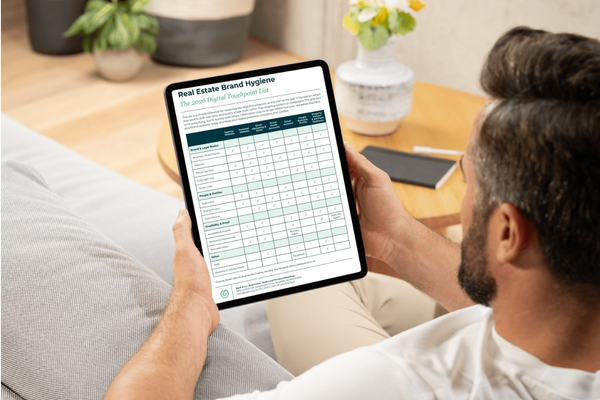
For teams and agents who like a quick visual reference, the table below can help identify where to review common touchpoints across platforms.
This isn’t about perfection
This isn’t about constant tweaking or chasing perfection. It’s about intention.
A simple, regular review of these fundamentals reduces brand risk, supports credibility, and ensures that more visible marketing efforts aren’t undermined by small, avoidable inconsistencies.
Most brand damage doesn’t come from big mistakes. It comes from small things that quietly fall between systems, platforms, and ownership.
A final thought
Nobody loses a listing because of an outdated footer or a stale profile. But trust is rarely built in one moment. It’s built through accumulation. In real estate, the smallest details often end up saying the most.
Frequently Asked Questions
Why is brand hygiene important in real estate?
Brand hygiene ensures that all public-facing digital touchpoints are accurate, current, and consistent. In real estate, where trust and perception play a critical role, small inconsistencies can quietly undermine confidence.
Do outdated website details really affect vendors?
Vendors may not consciously notice outdated details, but they do form impressions based on accuracy and consistency. These small signals accumulate and influence how professional and trustworthy a brand feels.
What should real estate agencies review at the start of the year?
Agencies should review website footers, copyright dates, Google Business Profile details, email templates, brand claims, awards, and contact information to ensure everything reflects current operations.
What personal brand touchpoints should agents review?
Agents should review their personal websites, agency profiles, team pages, profile photos, accolades, contact details, and third-party platforms such as Trade Me, OneRoof, RateMyAgent, and Homes.
How often should brand hygiene checks be done?
A light review at the start of each year, with smaller checks throughout the year when changes occur, is usually sufficient to prevent inconsistencies from accumulating.