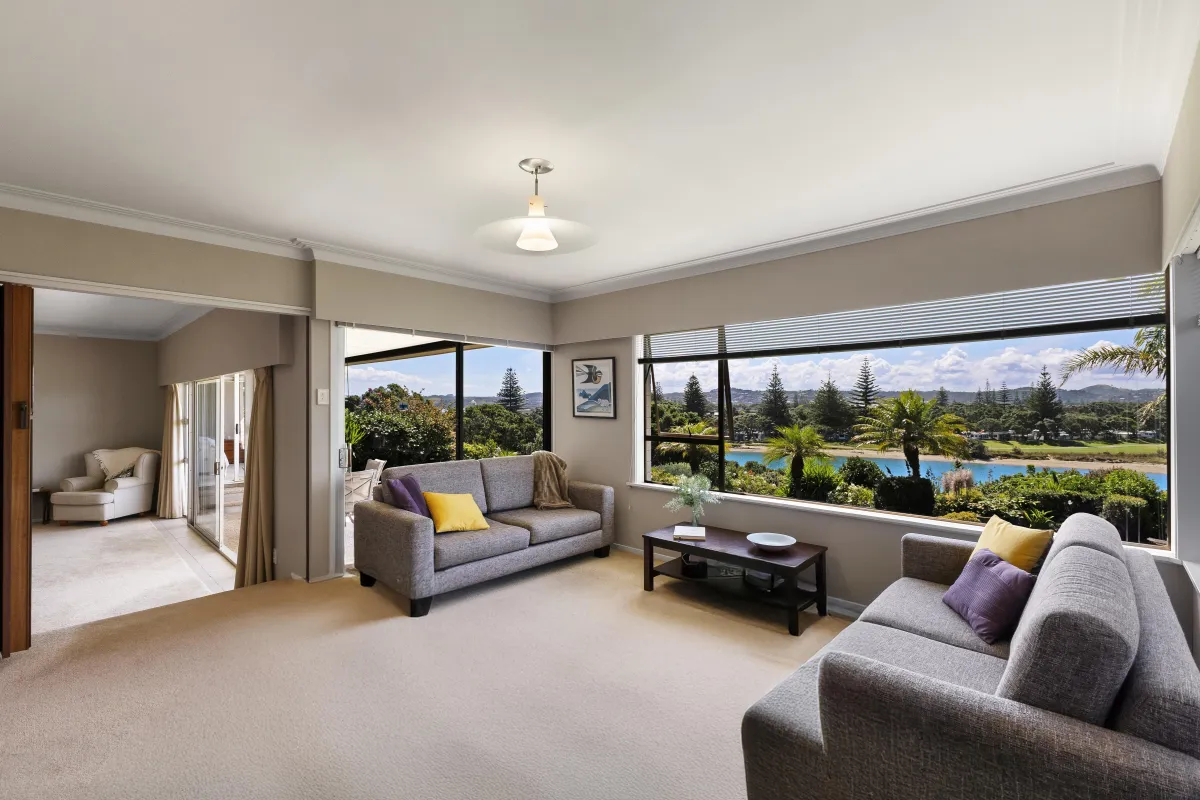
HDR Real Estate Photography Explained for Auckland Agents
HDR stands for high dynamic range. In real estate photography, it is the technique of taking multiple photos of the same room at different brightness levels and blending them together into a single image. The result is a photo that shows a room the way your eye actually sees it — bright interiors, clear window views, natural colour, and detail in both the shadows and the highlights.
If you have ever wondered why some listing photos look bright and balanced while others look dark, blown out, or flat, the answer is almost always HDR. It is the industry standard for professional real estate photography, and understanding the basics will help you evaluate what your photographer delivers and have better conversations with your vendors about how their property will be presented.
The problem HDR solves
Stand in any room with a window on a bright day. Your eyes can see the furniture, the walls, and the view outside the window all at the same time. Your brain adjusts for the different light levels automatically. A camera cannot do this.
A camera has to choose: expose for the interior (and the windows blow out to white rectangles), or expose for the view outside (and the room goes dark). Neither result shows the property as it actually looks to the human eye. This is not a limitation of cheap cameras — even the most expensive professional camera has the same constraint. The sensor cannot capture the full range of light in a single exposure.
HDR solves this by capturing multiple exposures of the same scene. One exposure is set for the bright areas (the windows, the sunlit wall). Another is set for the dark areas (the corners, the underside of a bench). A third captures the midrange. The photographer then blends these exposures together — taking the best-lit version of each part of the image — to produce a single photo that shows everything the way your eye sees it.
How HDR works in practice
The process has two stages: the shoot and the edit.
On-site: The photographer mounts the camera on a tripod, frames the shot, and takes three to five photos of the same scene in rapid succession. The camera automatically adjusts the exposure for each shot (this is called bracketing). The whole sequence takes a few seconds per angle. The photographer does not use flash — the multiple exposures capture all the light information they need from the natural and ambient light already in the room.
In editing: The photographer loads the bracketed exposures into editing software and blends them together. This can be done automatically by HDR software, or it can be done manually by hand-selecting the best-lit parts of each exposure and merging them layer by layer. The manual method is called hand-blending, and it produces more natural, more consistent results than automated processing.
Related: For definitions of bracketing, hand-blending, and other editing terms, see our photography glossary article below.
Hand-blending vs automated HDR: why the method matters
Not all HDR is equal. There are two ways to blend the exposures, and the difference in the final result is visible.
Automated HDR uses software to merge the exposures algorithmically. It is fast and consistent, but it can produce images that look over-processed — colours that are too saturated, halos around windows and light sources, and an artificial “painted” quality that experienced buyers and agents notice. Automated HDR is common among high-volume photography companies that prioritise speed over quality.
Hand-blended HDR is done manually by an experienced editor in Photoshop or similar software. The editor selects the best parts of each exposure by hand — the ceiling from one, the floor from another, the window view from a third — and blends them into a seamless final image. This takes longer but produces cleaner, more natural results with no halos, no over-saturation, and no artificial look.
When you are evaluating a photographer’s portfolio, this is one of the most important things to look for. If the images look hyper-real, with colours that are too vivid and edges that glow, they are likely using automated HDR. If the images look natural and balanced — bright but not blown out, detailed but not overdone — they are likely hand-blending.
At Bash & Co, every image is hand-blended from multiple HDR exposures. It takes more time per image, but the quality difference is worth it.
HDR vs flash: how they compare
The other common technique for lighting real estate interiors is flash photography. Flash uses an external light unit (or multiple units) to add artificial light to the room. It can produce good results in skilled hands, but it works very differently from HDR.
Flash adds light to the scene. The photographer is creating light that was not there before. When done well, flash produces bright, clean images. When done poorly, it creates harsh shadows cast from low angles, flat and clinical-looking rooms, and unnatural colour temperatures that make the space feel like a hospital corridor rather than a home.
HDR works with the light that is already there. The photographer captures the natural and ambient light at multiple exposure levels and blends them together. The result tends to feel warmer, softer, and more realistic — closer to how the room looks when you stand in it.
Most professional real estate photographers in Auckland use HDR as their primary technique because it produces more natural-looking results with less equipment and less time on-site. Flash still has a place — particularly in very dark rooms with no natural light — but for the majority of Auckland properties, HDR hand-blending delivers a better outcome.
Related: For more on evaluating photography technique and choosing the right photographer, see our selection guide below.
Why HDR matters for your listings
HDR is not a luxury add-on or a premium upgrade. It is the baseline expectation for professional real estate photography in 2026. Here is why it matters for your listings specifically.
More online views. Listings with HDR photography receive up to 118% more views online than listings with standard single-exposure images. In a market where buyers are scrolling past dozens of listings on Trade Me and realestate.co.nz, that difference in attention is significant.
Faster sales. Properties with HDR photography sell up to 50% faster than those without, according to industry data. Better photos attract more qualified buyers earlier in the listing’s life, which reduces time on market.
Stronger buyer confidence. When a buyer can clearly see both the interior of a room and the view through the window in the same image, they feel more confident about the property before they even attend the open home. That confidence translates into fewer tentative offers and less need to negotiate uncertainty away.
A professional reflection on you. Consistently well-lit, well-balanced listing photos signal to vendors that you take their property seriously. That reputation compounds with every listing. HDR photography is part of the visual standard that separates professional agents from the rest.
Related: For the full data on how photography affects sale price and time on market, read our evidence-based breakdown below.
How to tell if your photographer’s HDR is good
You do not need to understand the technical process to evaluate the quality of HDR photography. Look for these five things in a photographer’s portfolio:
Windows are clear, not blown out. You should be able to see the actual view through every window — trees, sky, neighbouring houses. If windows are white rectangles, the HDR is not doing its job.
Interiors are bright but not glowing. A well-executed HDR image is bright and inviting without looking radioactive. If rooms look hyper-real or have an unnatural glow, the processing has been overdone.
No halos around edges. Look at the edges where a dark wall meets a bright window, or where a roofline meets the sky. If there is a visible halo or glow along that edge, the automated HDR processing has created an artefact that a hand-blender would have caught and removed.
Consistent colour throughout. Walls, floors, and furnishings should look the same colour they would in person. If colours look over-saturated or if different parts of the room have different colour casts, the blending was not done carefully.
Natural shadows. Shadows should be soft and fall in a natural direction (from the windows and light sources). If you see hard shadows cast from low angles or shadows going in multiple directions, the image may include poorly executed flash rather than pure HDR.
The bottom line
HDR photography is not complicated for agents to understand, even if the editing process behind it is technical. What matters to you is the result: listing photos that show every room the way a buyer would see it in person — bright, balanced, natural, and honest.
When you are choosing a photographer or explaining to a vendor why the photos look the way they do, knowing that HDR means multiple exposures blended together to match what the human eye sees is all the context you need. The rest is your photographer’s job.
Want to see HDR hand-blending in action? View our photography services or see our packages and pricing to understand what is included at every level.
Frequently asked questions
What does HDR stand for in real estate photography?
HDR stands for high dynamic range. In real estate photography, it is the technique of taking multiple photos of the same scene at different exposure levels and blending them together into a single image that shows the full range of light — from the darkest shadows to the brightest highlights.
Is HDR photography standard for real estate listings?
Yes. HDR is the industry standard technique for professional real estate photography in New Zealand and internationally. Most professional real estate photographers use HDR as their default method because it produces natural-looking, well-balanced images without the need for flash equipment.
What is the difference between HDR and hand-blended photography?
HDR refers to the overall technique of capturing multiple exposures. Hand-blending is a specific method of combining those exposures manually in editing software, selecting the best-lit parts of each image by hand. Automated HDR uses software to merge them algorithmically. Hand-blending produces more natural, higher-quality results but takes more time.
Can I tell if a photo is HDR just by looking at it?
Good HDR photography should look natural — a bright, balanced room where you can see both the interior and the view through the windows. Poorly processed HDR is easier to spot: over-saturated colours, halos around window edges, and an artificial or “painted” quality. If an image looks too perfect or hyper-real, the HDR processing has likely been overdone.
Does Bash & Co use HDR photography?
Yes. Every image Bash & Co delivers is hand-blended from multiple HDR exposures. We do not use automated HDR processing or flash as our primary technique. Hand-blending takes more time per image but produces cleaner, more natural results that better represent the property.